


Our Destinations
Where will you go next?
Click any destination to explore it on the map and discover its highlights.
013 sitesAtlas Mountains
The Atlas Mountains continue to serve as the dramatic backbone of Morocco, offering a stark, majestic contrast to the bustling cities. This massive mountain range is divided into three sections—the Middle, High, and Anti-Atlas—and is the ancestral home of the indigenous Amazigh (Berber) people, whose terraced villages and ancient traditions define the region's cultural landscape.
026 sitesAgadir
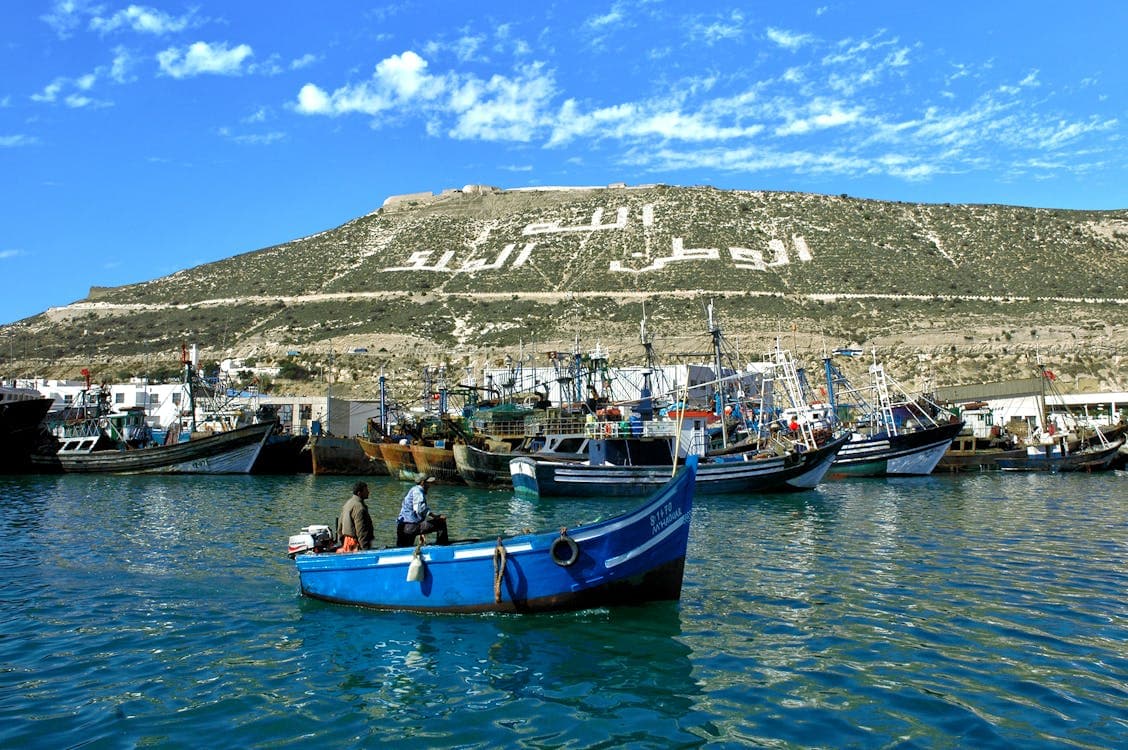
Morocco's premier coastal city and largest seaside resort, a modern, cosmopolitan destination built almost entirely from scratch after a devastating earthquake in 1960. This history means it lacks the ancient, labyrinthine medinas of other Moroccan cities, opting instead for wide, palm-lined boulevards, modern infrastructure, and an orderly, European-style layout. Situated on the southern Atlantic coast and protected by the Anti-Atlas mountains, it boasts a mild year-round climate with around 300 days of sunshine, making it a major "winter sun" retreat for Europeans. Beyond tourism, Agadir is the country's most important fishing port and a central hub for the Amazigh (Berber) culture of the Souss-Massa region.
033 sitesChefchaouen
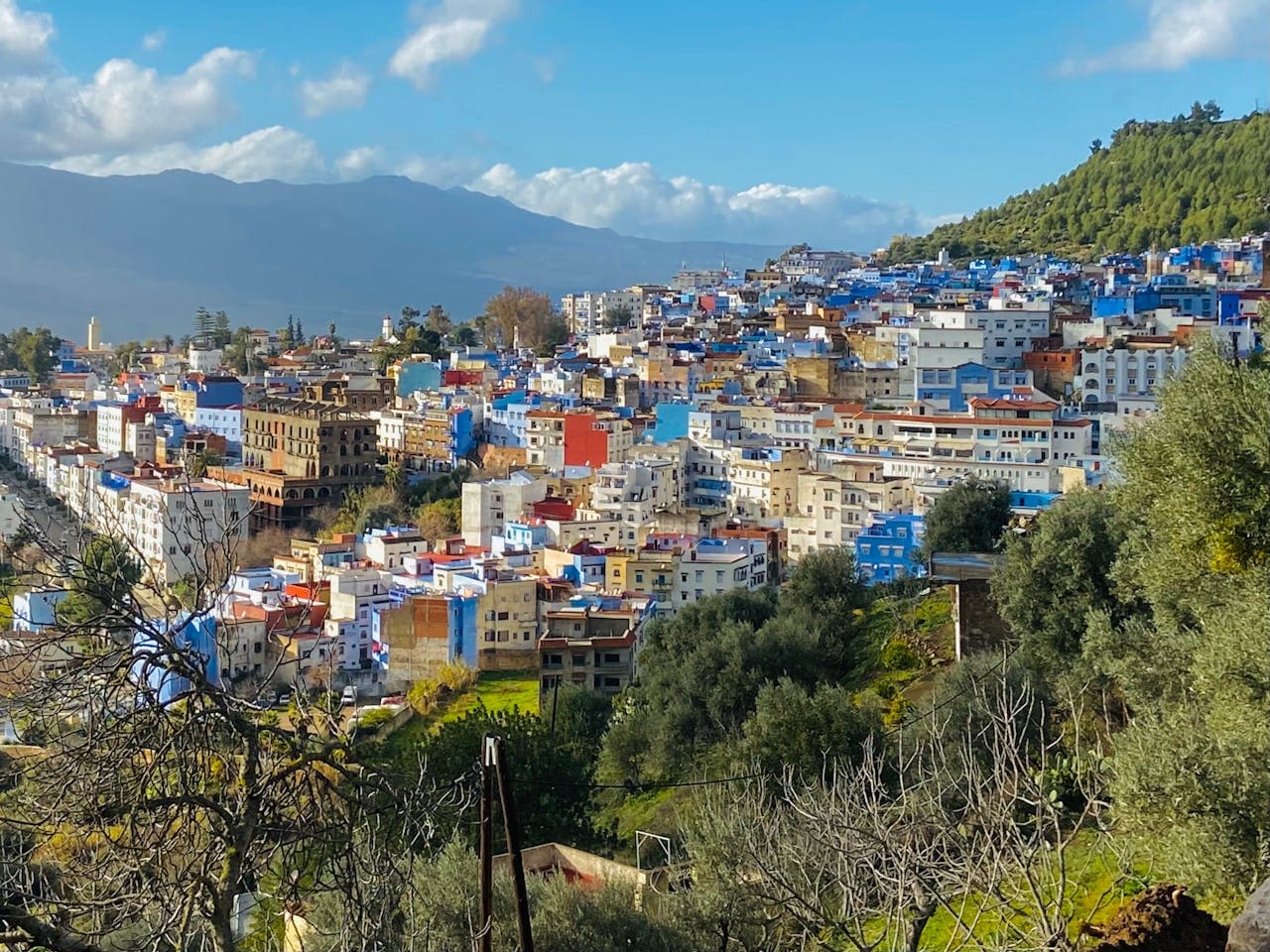
Known globally as the "Blue Pearl," remains one of Morocco’s most photogenic destinations. Tucked away in the Rif Mountains, the city is famous for its striking blue-washed buildings, a tradition introduced by Jewish refugees in the 1930s to symbolize the sky and heaven. The town offers a cooler, mountain-air retreat compared to the coastal cities.
045 sitesMeknes
Meknes, often referred to as the "Versailles of Morocco," is one of the country's four imperial cities. Founded in the 11th century as a military settlement, it was transformed into a grand capital in the 17th century by Sultan Moulay Ismaïl. The city is characterized by a harmonious blend of Islamic and European architectural styles, featuring massive earthen ramparts that stretch for over 40 kilometers. It offers a more relaxed and less crowded atmosphere compared to nearby Fez.
053 sitesEssaouira
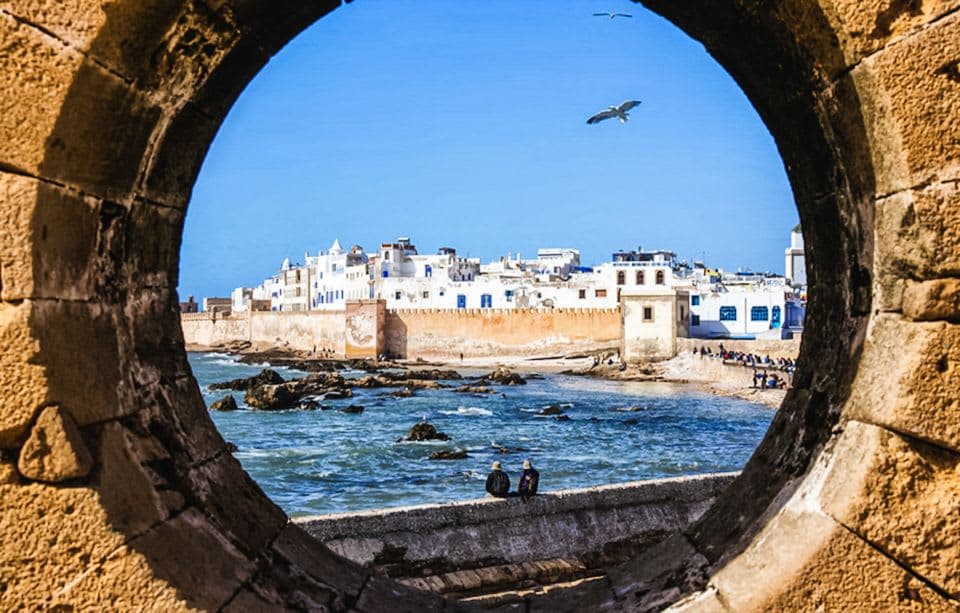
Often nicknamed the "Wind City" or the "Moroccan Saint-Malo," is a coastal city on the Atlantic known for its relaxed, bohemian atmosphere, a stark contrast to the bustle of inland imperial cities like Marrakech. Its unique history, marked by Phoenician, Roman, and European influences, culminated in a planned foundation in the 18th century by Sultan Sidi Mohammed ben Abdallah, earning it a UNESCO World Heritage site designation in 2001. The city is distinguished by its consistently breezy climate, ideal for water sports, and its rich cultural blend reflected in its architecture and festivals, such as the famous Gnaoua and World Music Festival.
064 sitesRabat
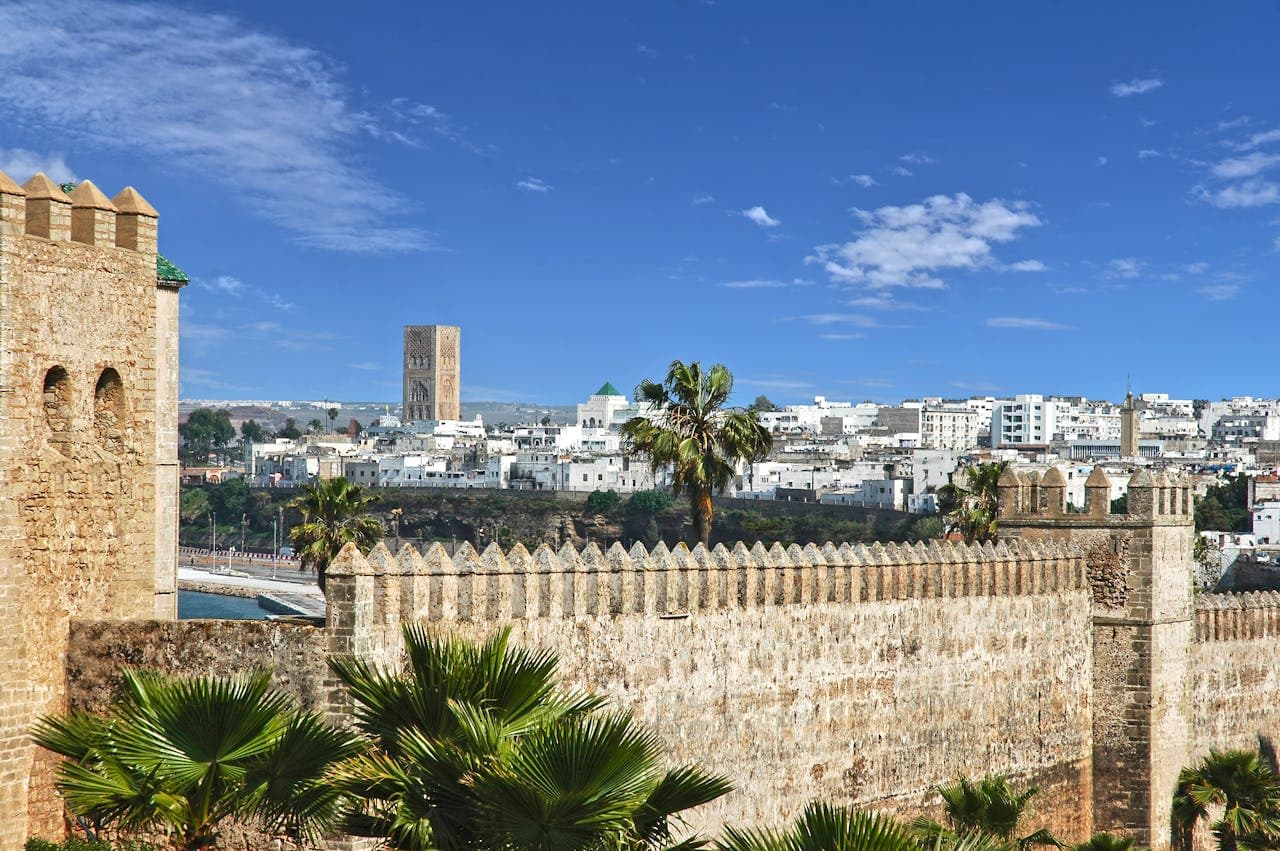
The capital of Morocco, is a sophisticated coastal city that serves as the country's political and administrative heart. Unlike the frenetic energy of Marrakech, Rabat is characterized by its wide, palm-lined boulevards, clean green spaces, and a calm, orderly atmosphere that blends modern European-style urban planning with deep-rooted Almohad and Andalusian history. As a UNESCO World Heritage site, the city is unique because it preserves both its 12th-century imperial monuments and its early 20th-century French colonial architecture in a harmonious, functional layout.
 073 sites
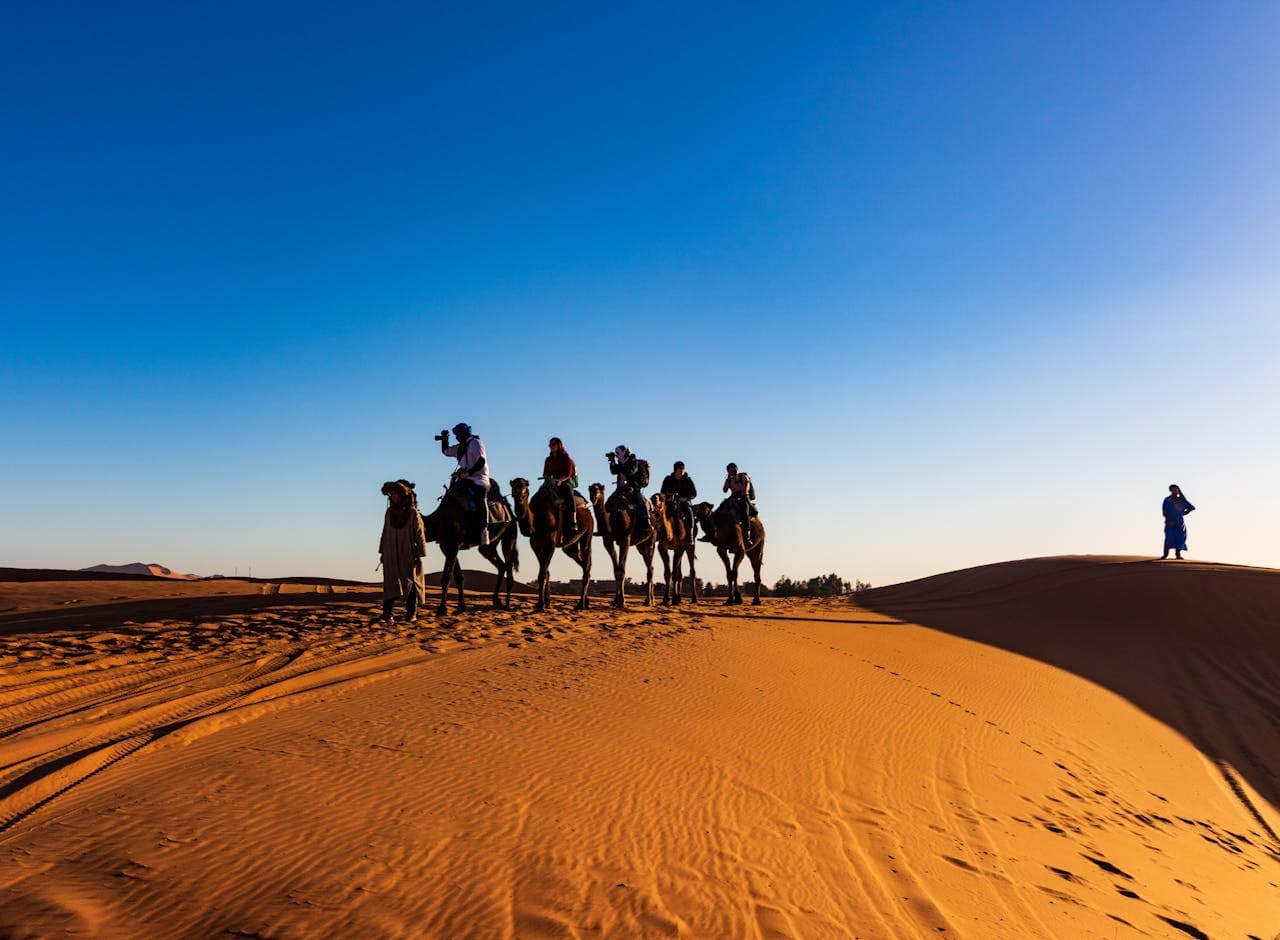
Merzouga
Merzouga is a small, remote village in southeastern Morocco, most famous for its proximity to the Erg Chebbi dunes, the country's most iconic and extensive sand seas. Unlike other Moroccan destinations focused on cities or history, Merzouga is purely about the dramatic natural landscape of the Sahara Desert.
 083 sites
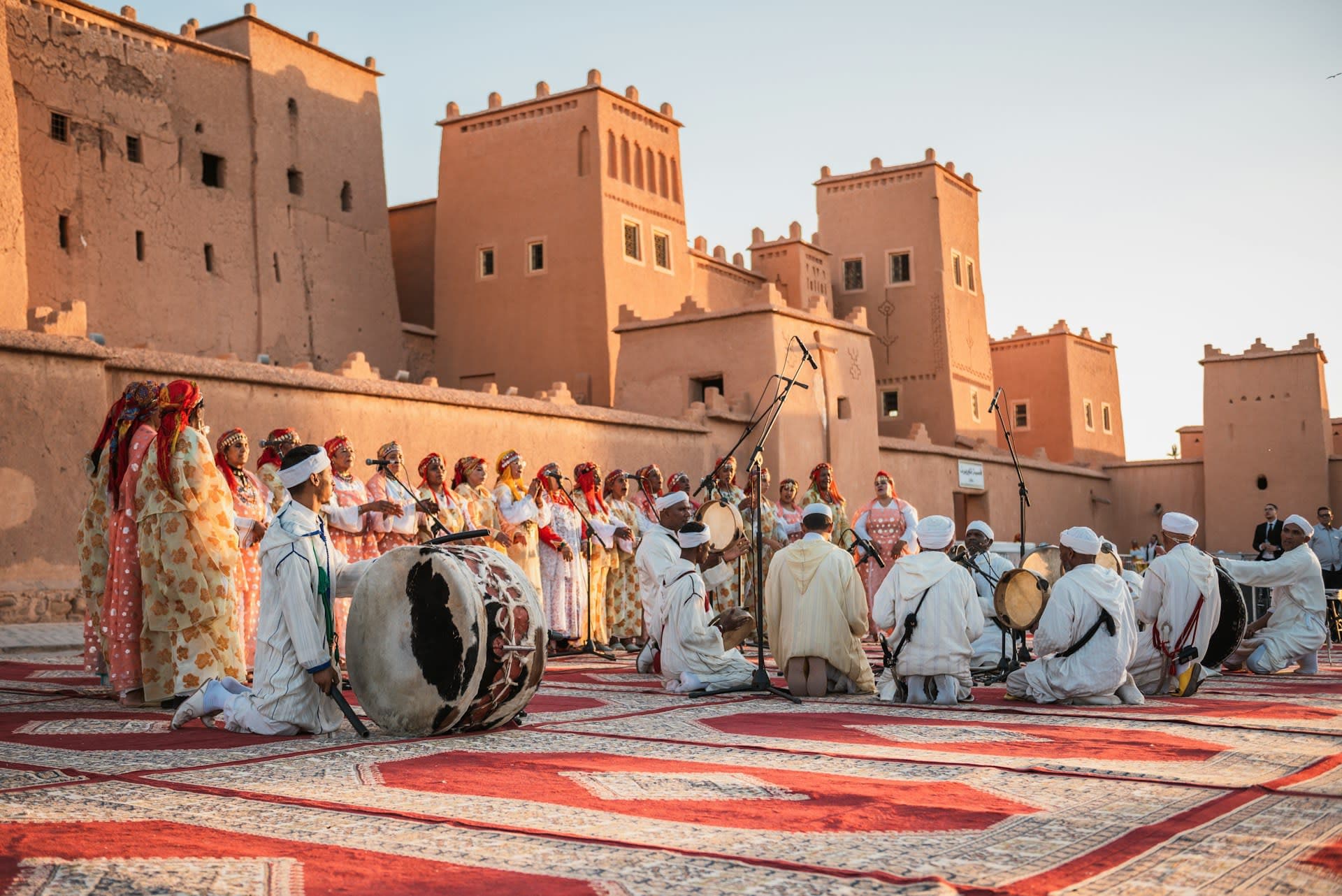
Ouarzazate
Ouarzazate, often referred to as the "Door of the Desert," is a crucial hub in southern Morocco, famous as a film-making location and the gateway to the Sahara. Its landmarks revolve around fortified architecture and cinematic history.
 096 sites
Tangier
Tangier, a Moroccan port on the Strait of Gibraltar, has been a strategic gateway between Africa and Europe since Phoenician times. Its whitewashed hillside medina is home to the Dar el Makhzen, a palace of the sultans that's now a museum of Moroccan artifacts. The American Legation Museum, also in the medina, documents early diplomatic relations between the U.S. and Morocco in an 1821 Moorish-style former consulate.
 108 sites
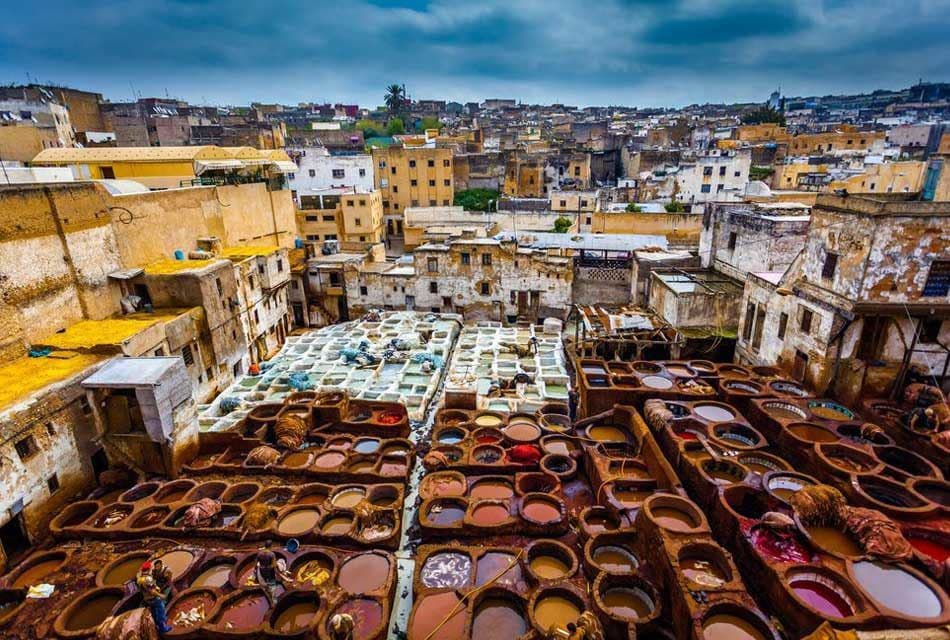
Fes
Fes is a northeastern Moroccan city often referred to as the country’s cultural capital. It’s primarily known for its Fes El Bali walled medina, with medieval Marinid architecture, vibrant souks and old-world atmosphere. The medina is home to religious schools such as the 14th-century Bou Inania and Al Attarine, both decorated with elaborate cedar carvings and ornate tile work.
 113 sites
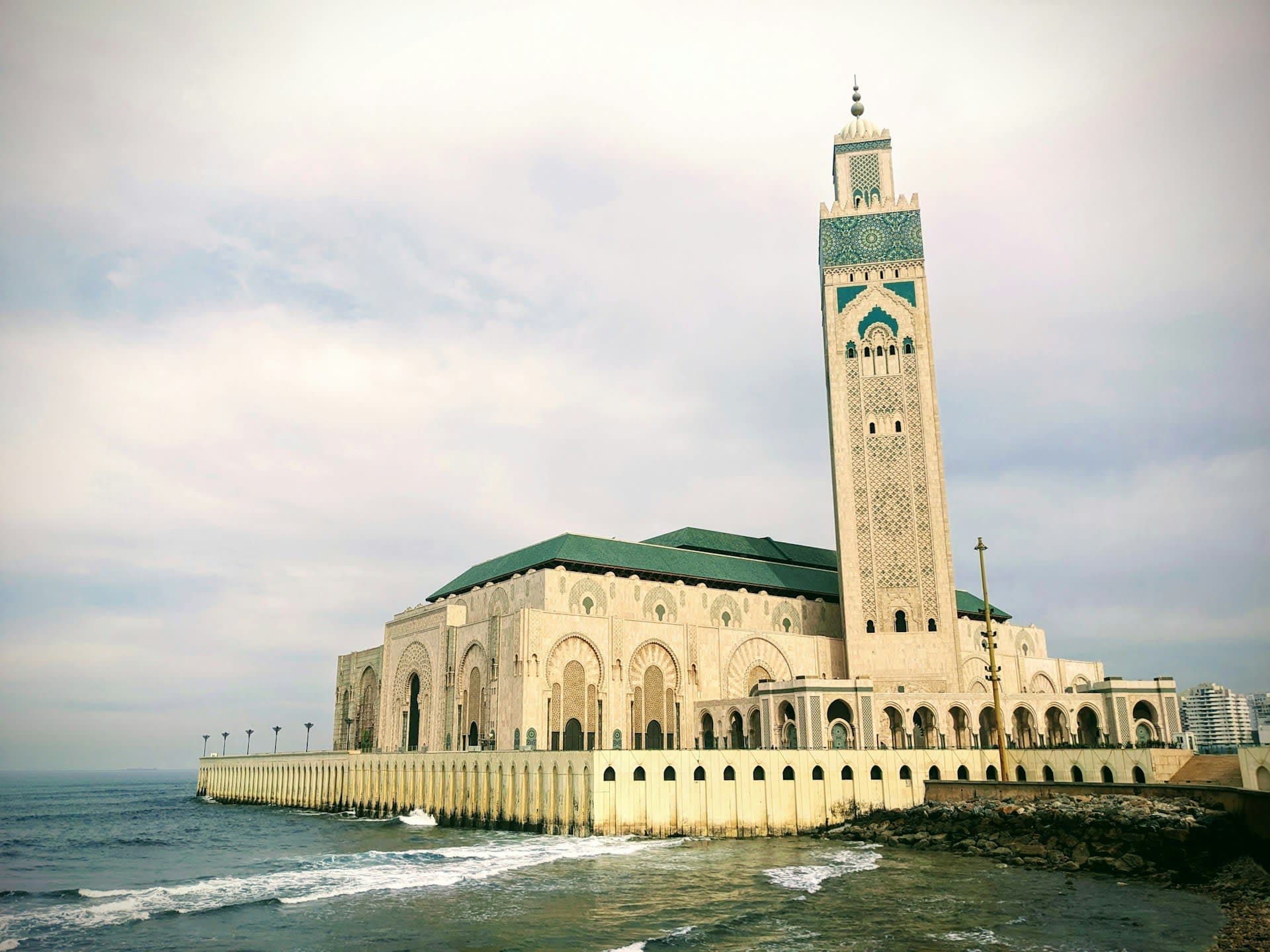
Casablanca
Casablanca stands as Morocco’s primary economic engine, offering a distinctively modern and cosmopolitan atmosphere compared to the imperial history of Marrakech. While often treated as a transit hub, the city contains architectural marvels and coastal stretches that reflect its unique blend of French colonial heritage and traditional Moroccan identity.
 1210 sites
Marrakech
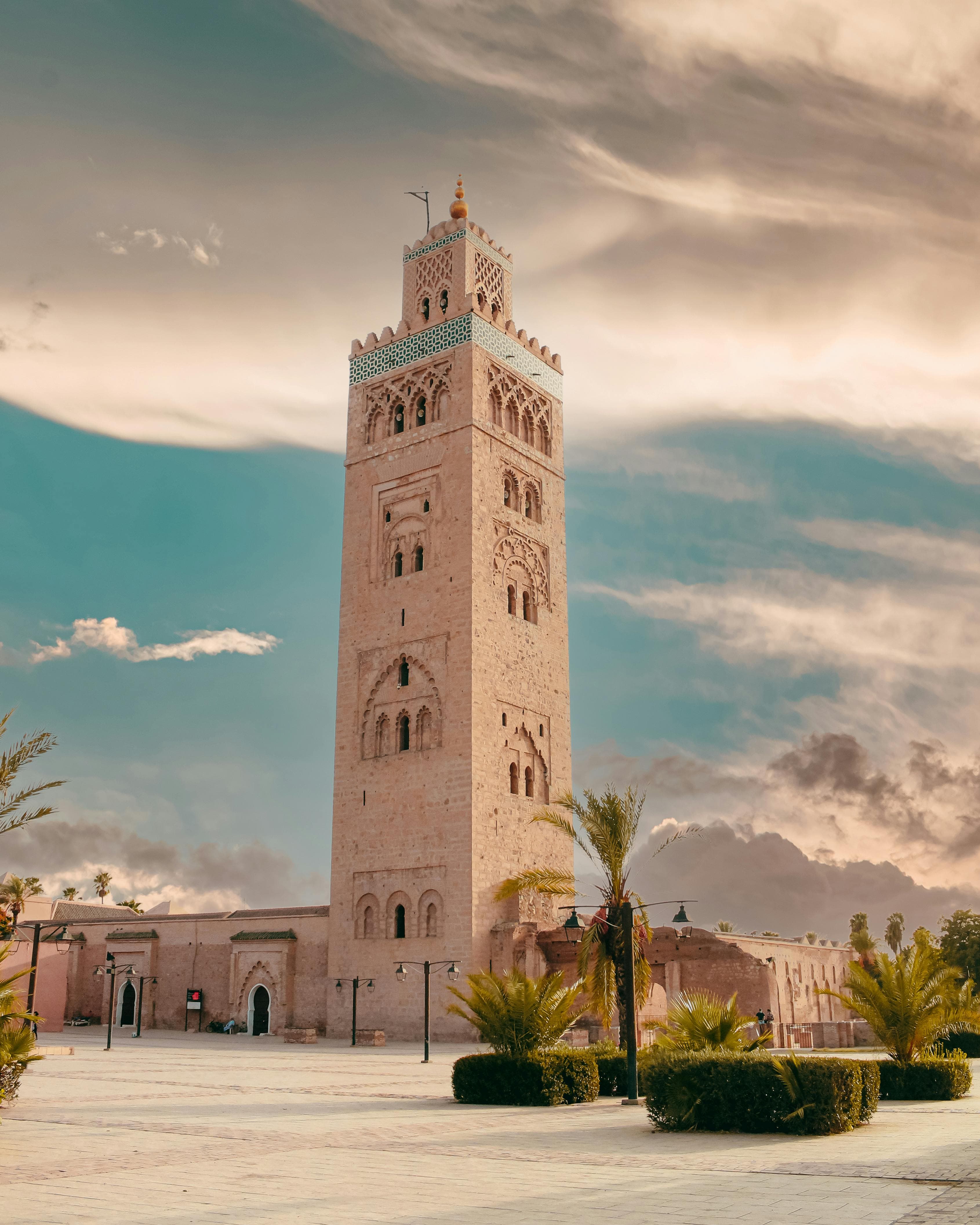
Marrakech offers a rich mix of culture, history, and nearby escapes, making it ideal for a one- or two-day visit. Explore the lively Medina, wander through colorful souks, and experience the energy of Jemaa el-Fna square. Visit iconic landmarks such as the Koutoubia Mosque, Bahia Palace, and Saadian Tombs, then unwind in the Majorelle Garden. Beyond the city, enjoy day trips to the Atlas Mountains, Ourika Valley, Agafay Desert, or the Ouzoud Waterfalls. For a deeper adventure, a three-day Sahara Desert tour from Marrakech offers dramatic landscapes, Kasbahs, and an unforgettable desert experience.
Your Next Chapter Awaits
Ready for Your Moroccan Journey?
Let us craft an unforgettable experience tailored just for you